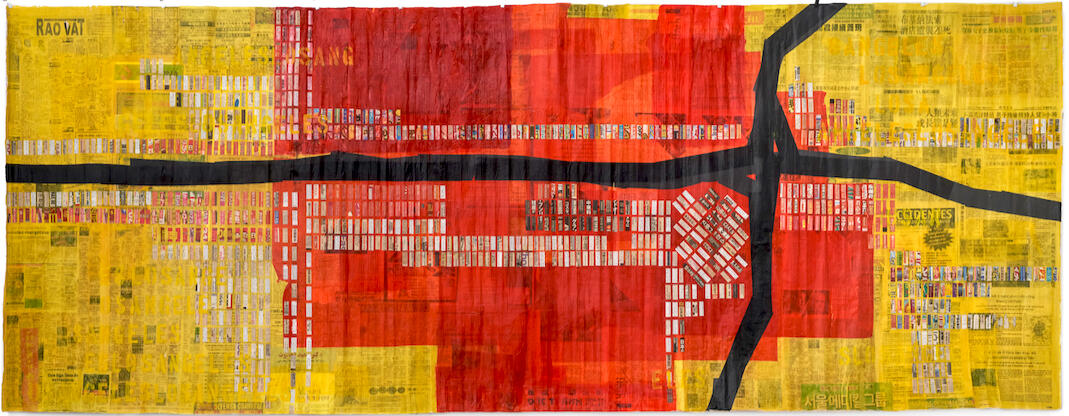
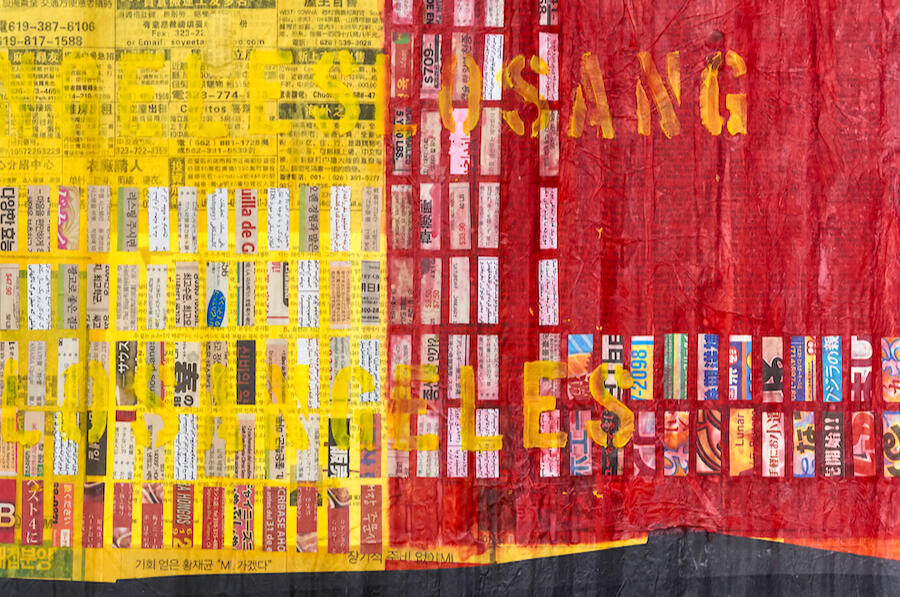
Los Angeles
2019
42” x 112”
Corrugated cardboard, newspaper, tissue, acrylic, metal clips, nails
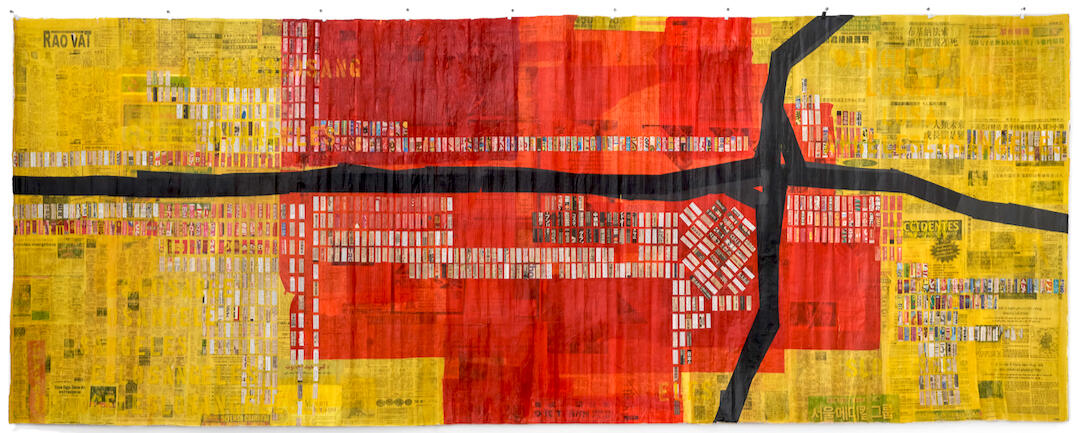
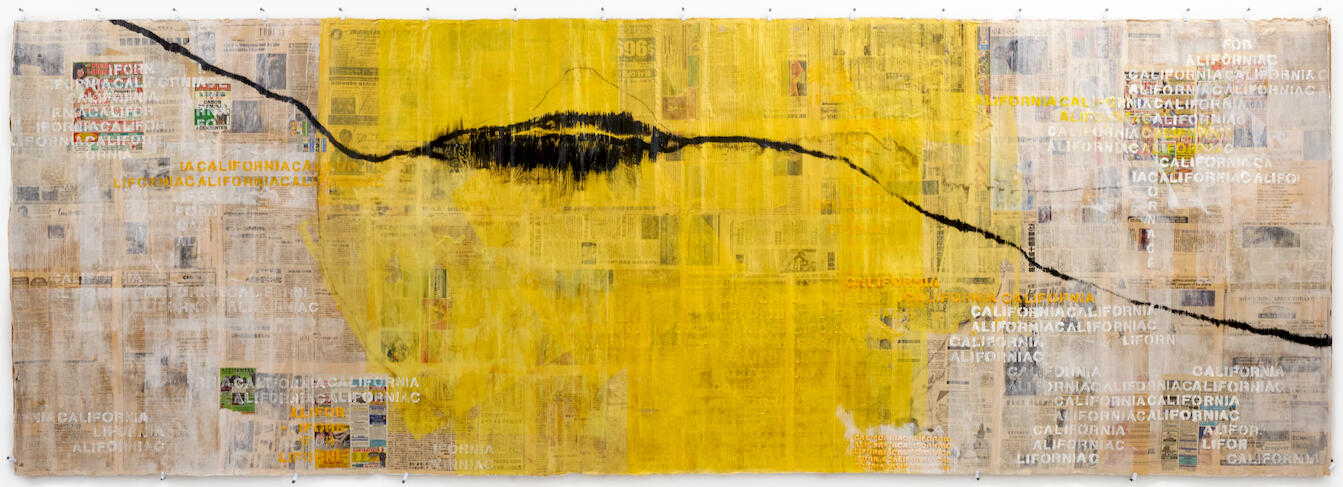
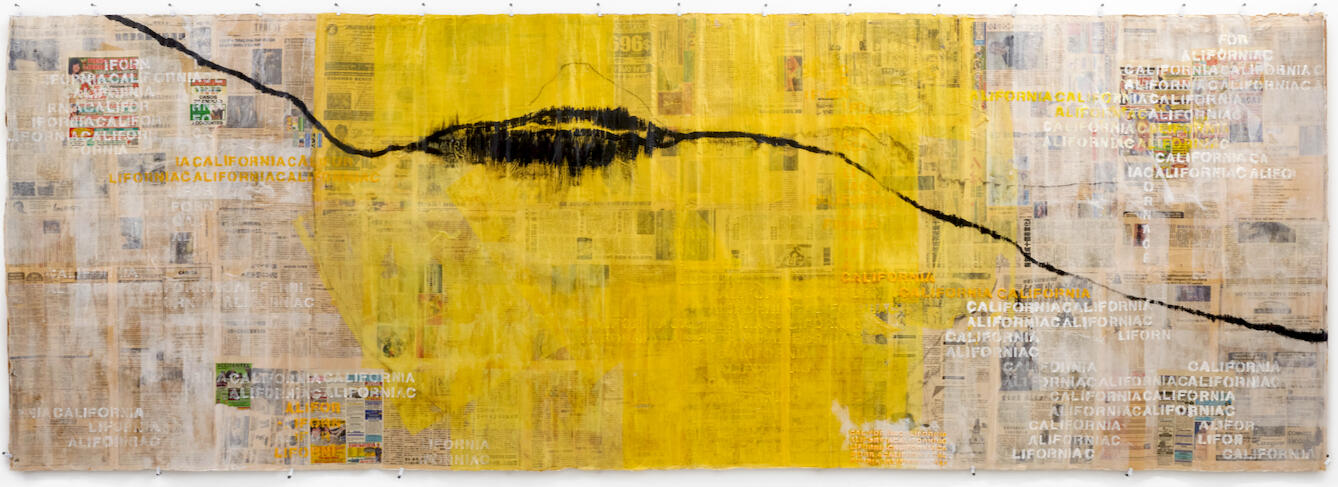
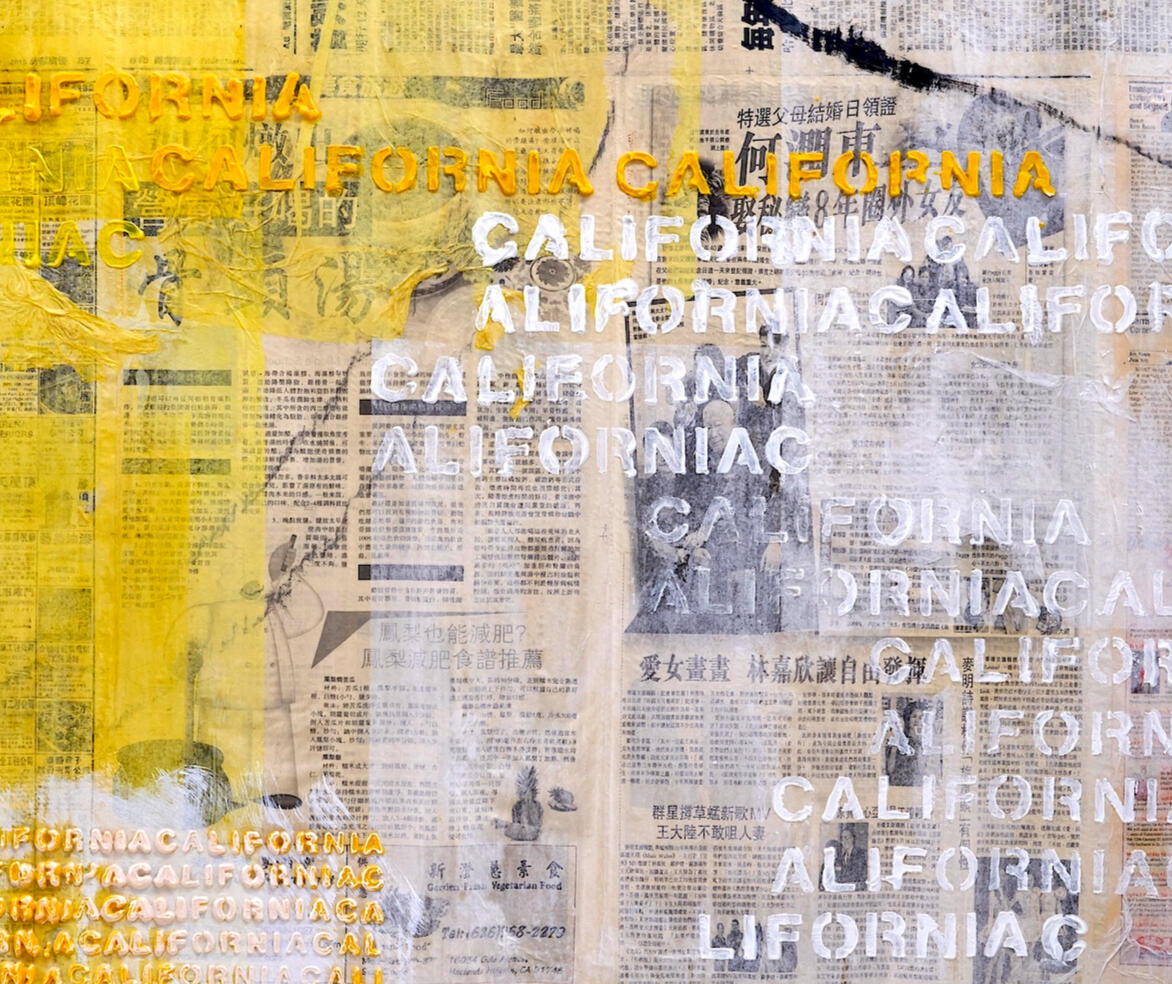
California
2023
48" x 138"
Corrugated cardboard, newspaper, tissue, acrylic, metal clips, nails
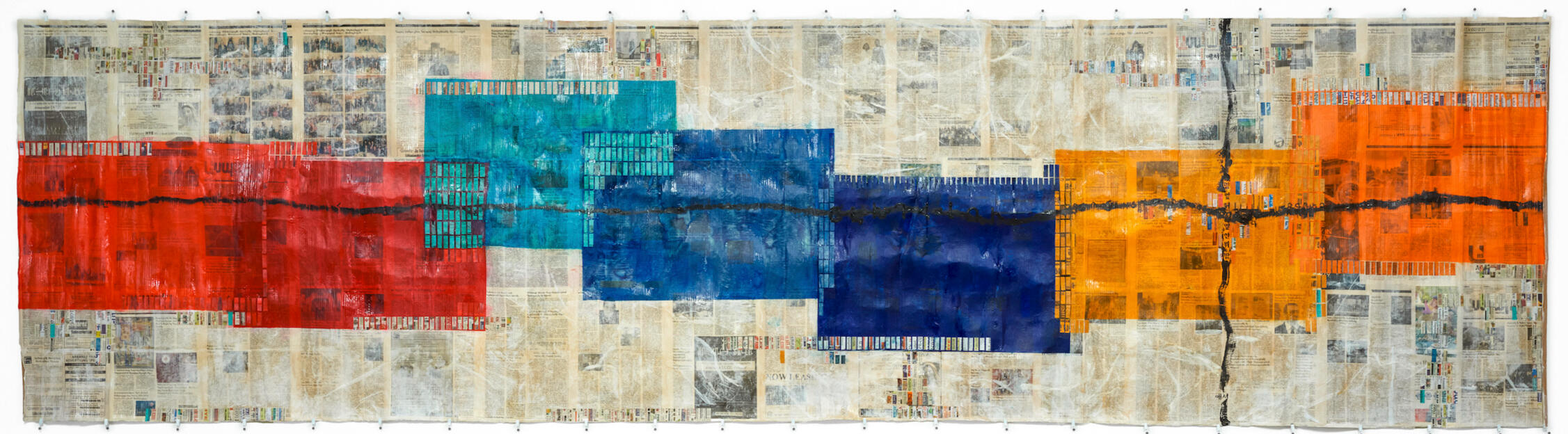
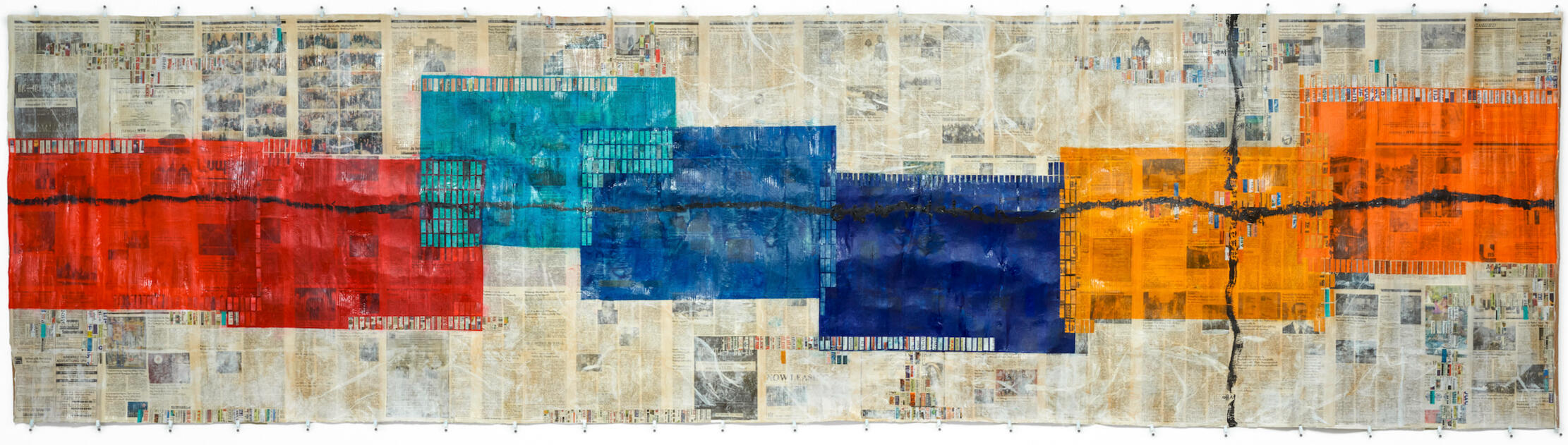
Armenia/Korea
2024
48” x 178”
Corrugated cardboard, newspaper, tissue, acrylic, metal clips, nails
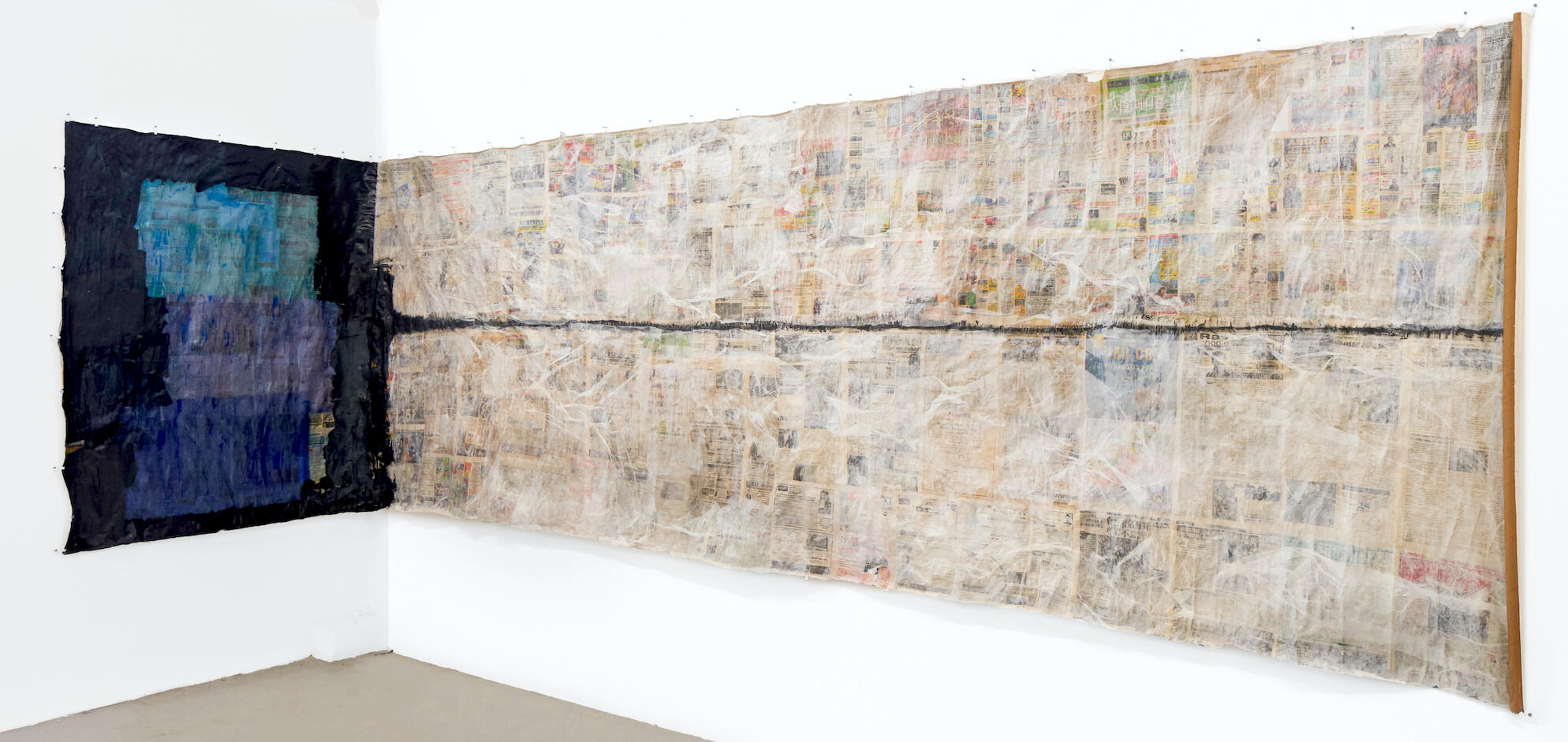
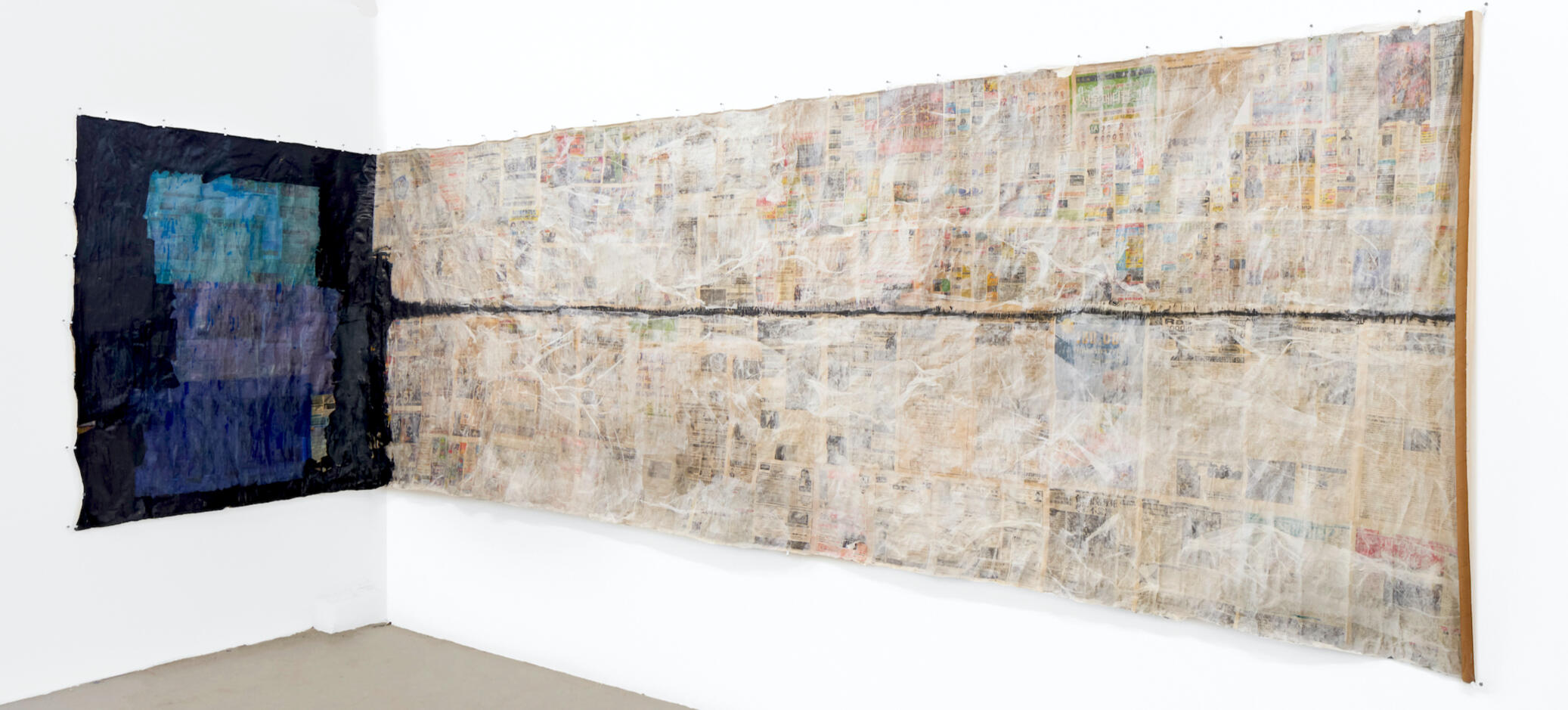
Conversations with my Father
2024
64” x 243”
Canvas, newspaper, tissue, acrylic, metal clips, nails
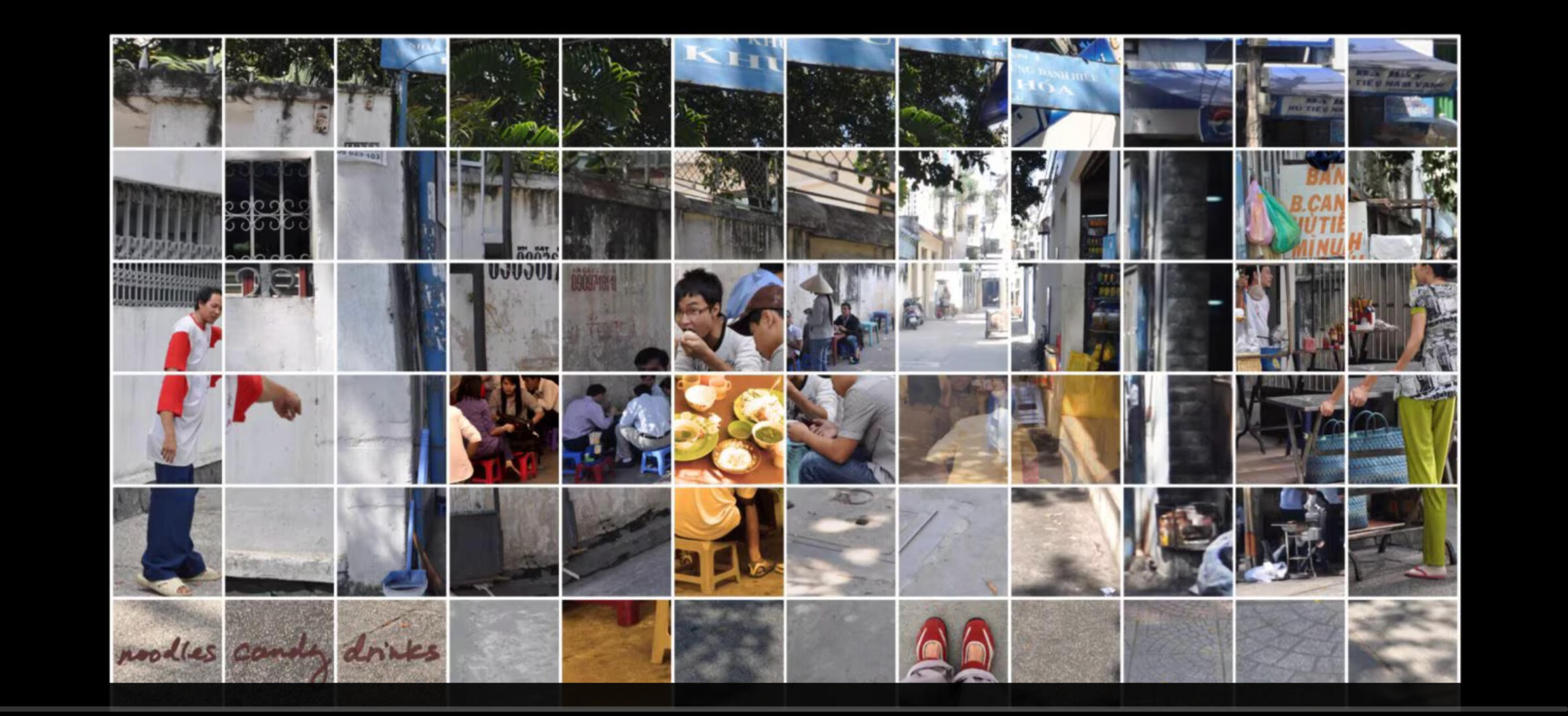
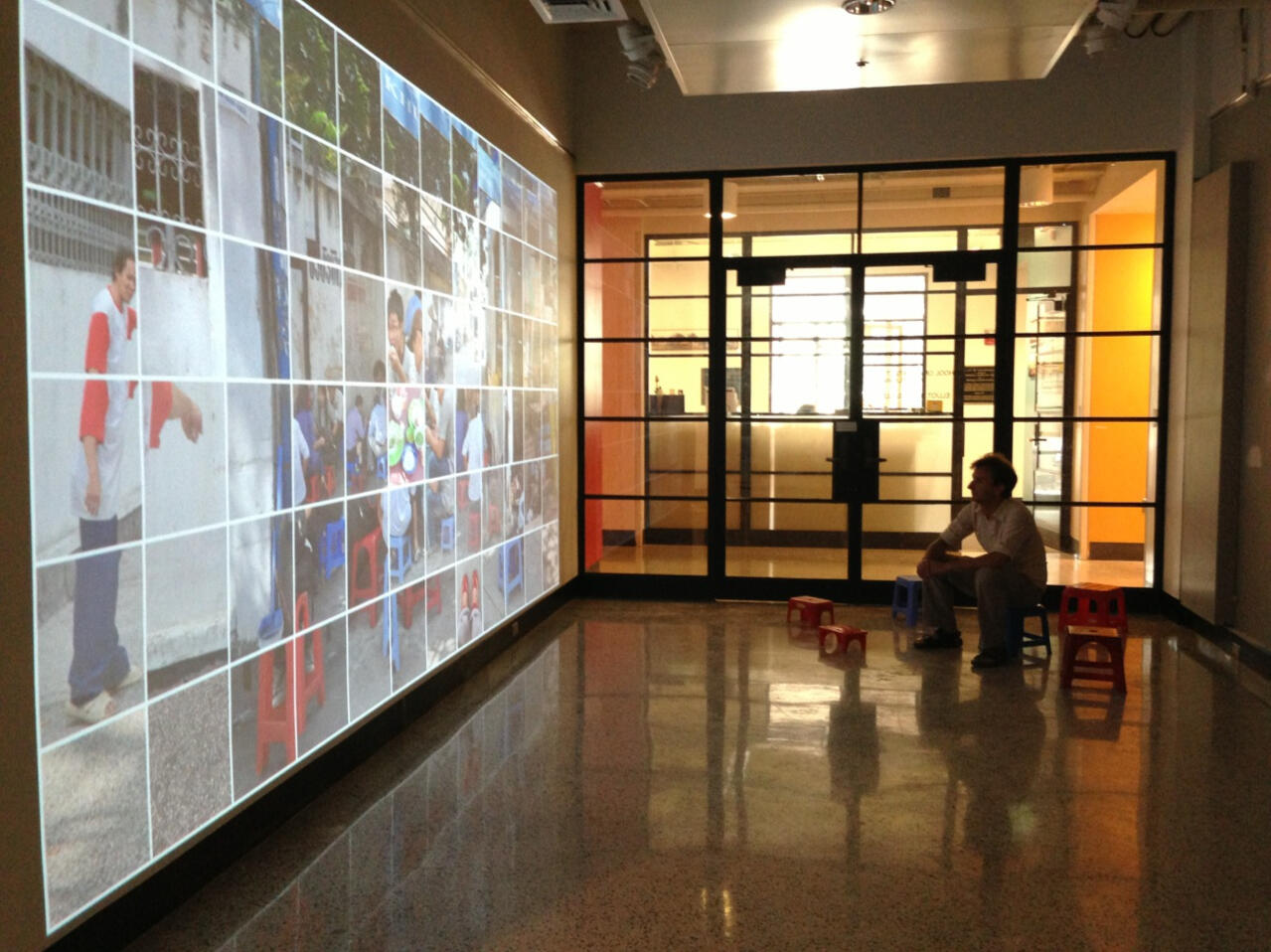
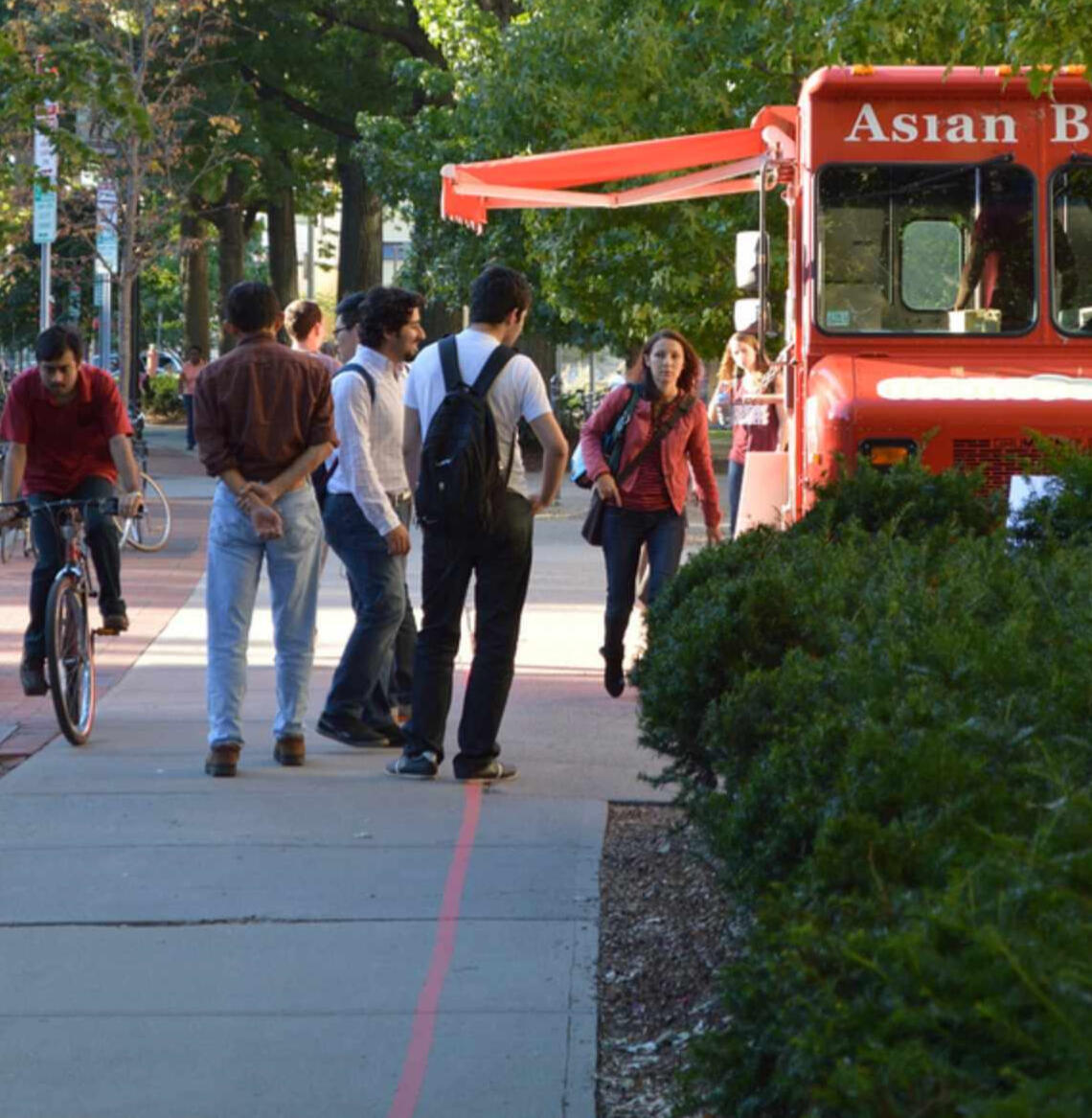
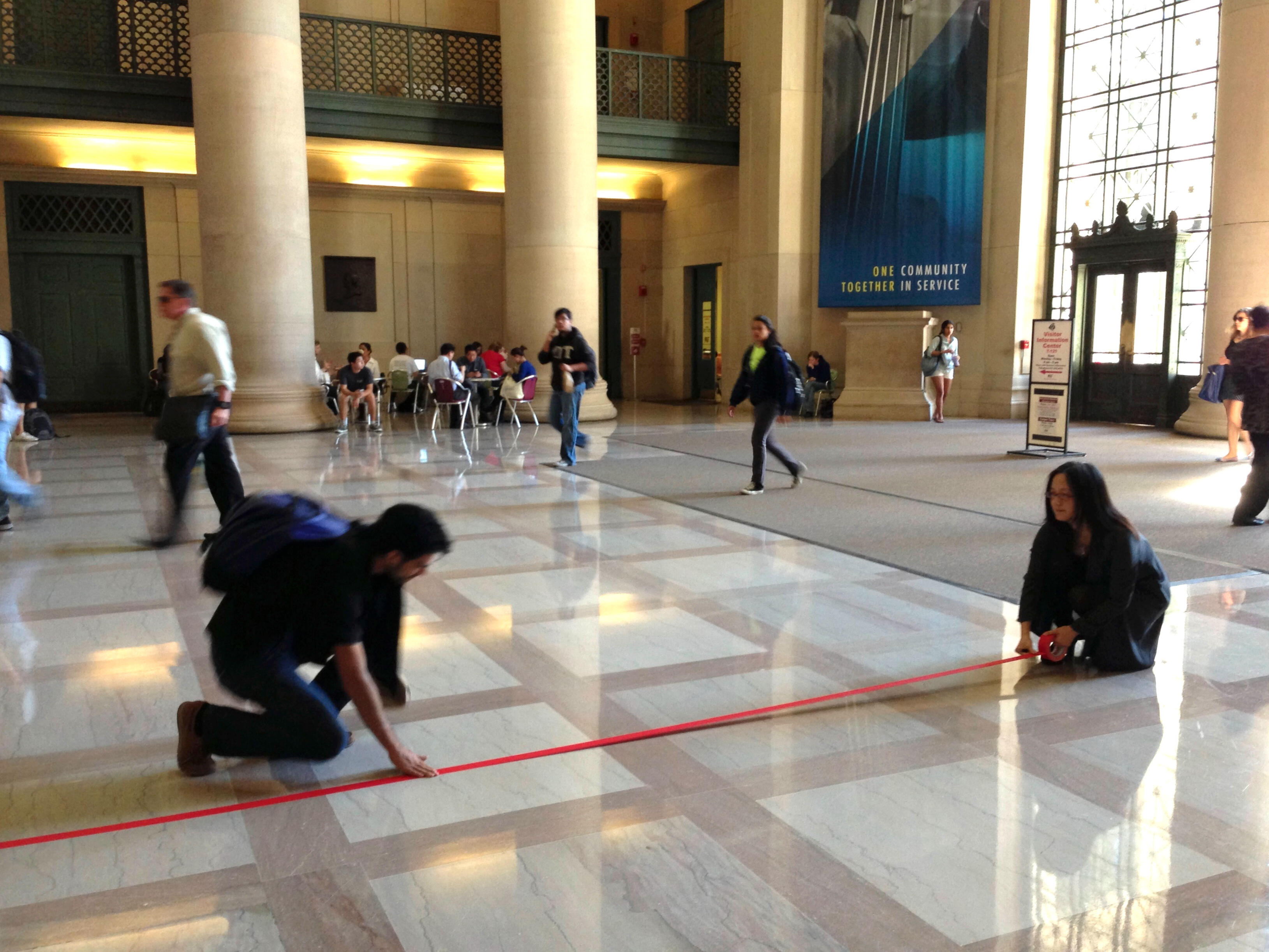
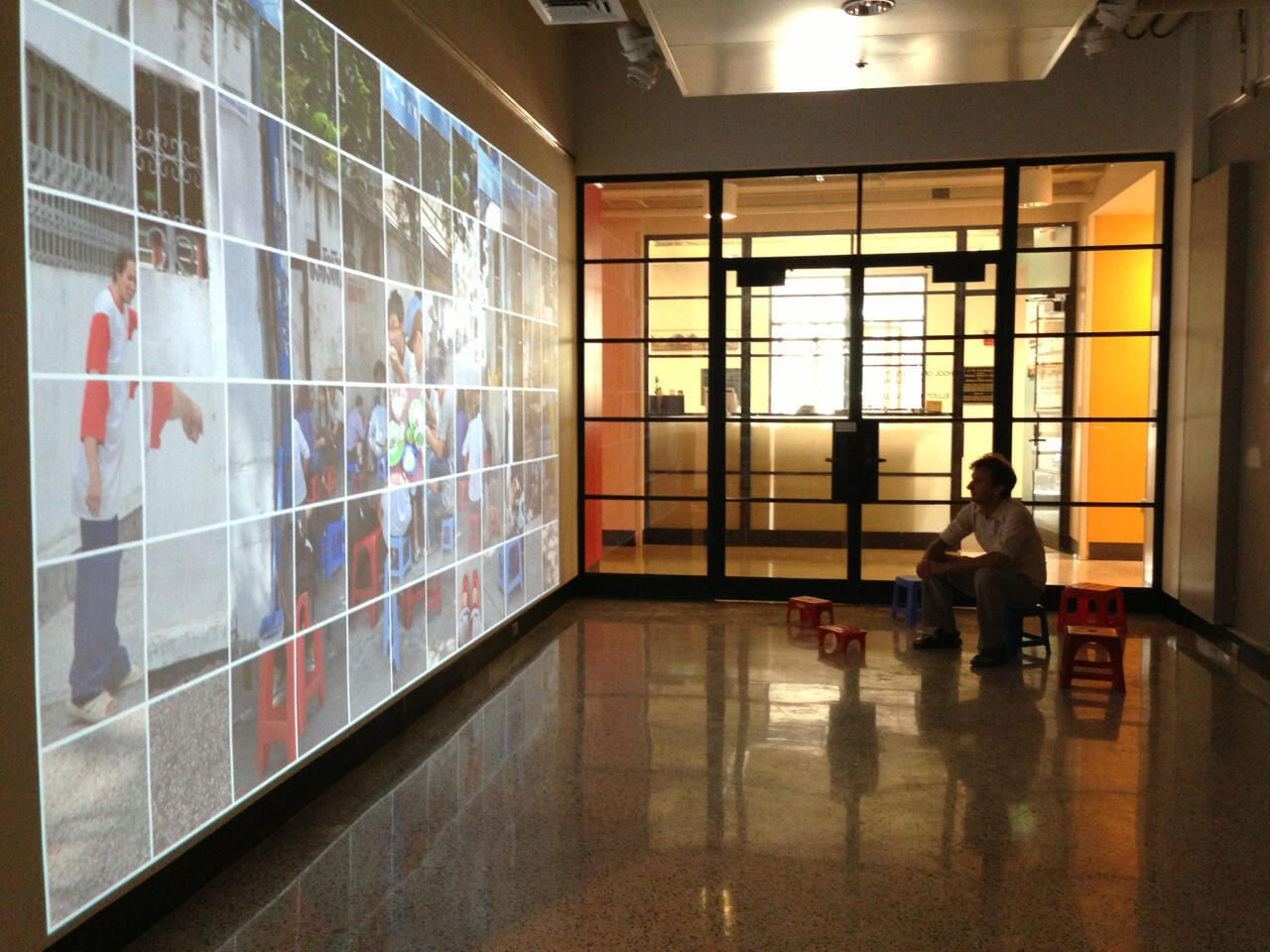
Mapping the Negotiations
2013
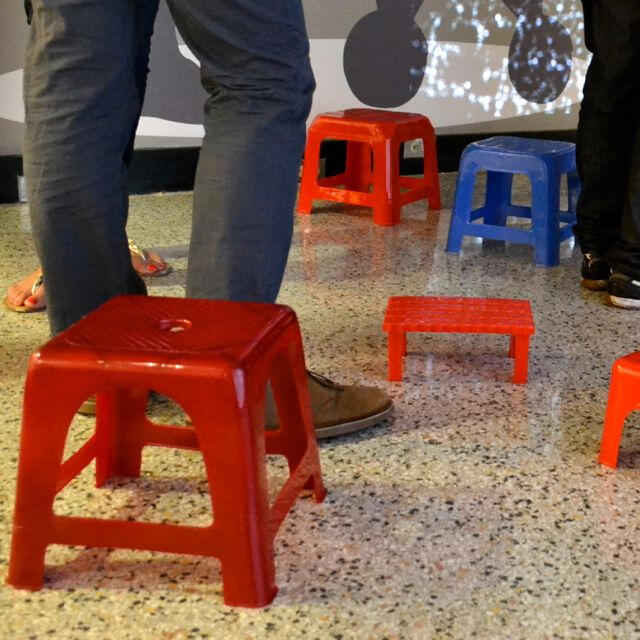
Digital video, plastic stools
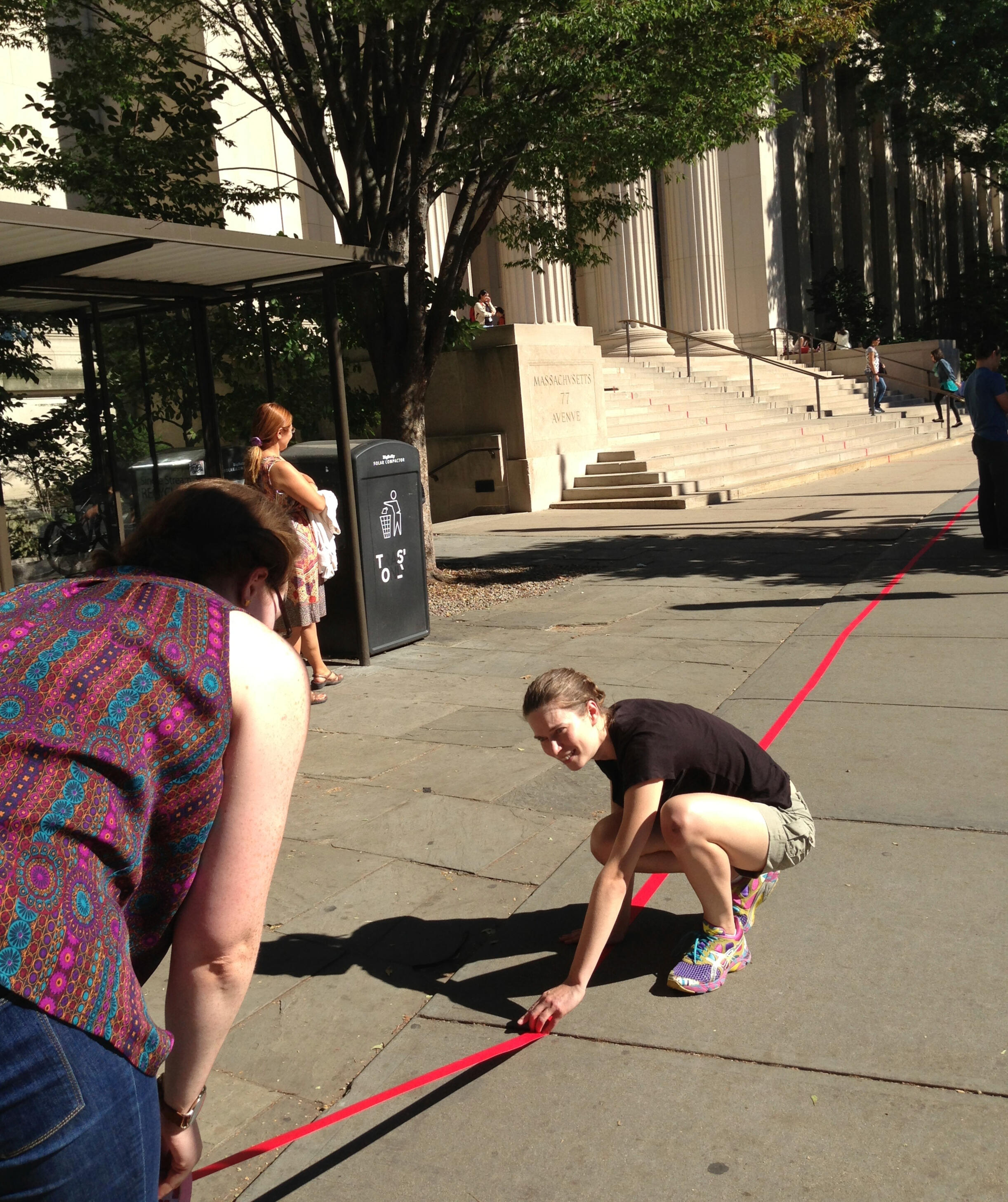
Installation exhibited at HCMC Photography Gallery, MIT Wolk Gallery, Cambridge; Seoul Urbanism Biennale; USC Cinema Gallery, Los Angeles
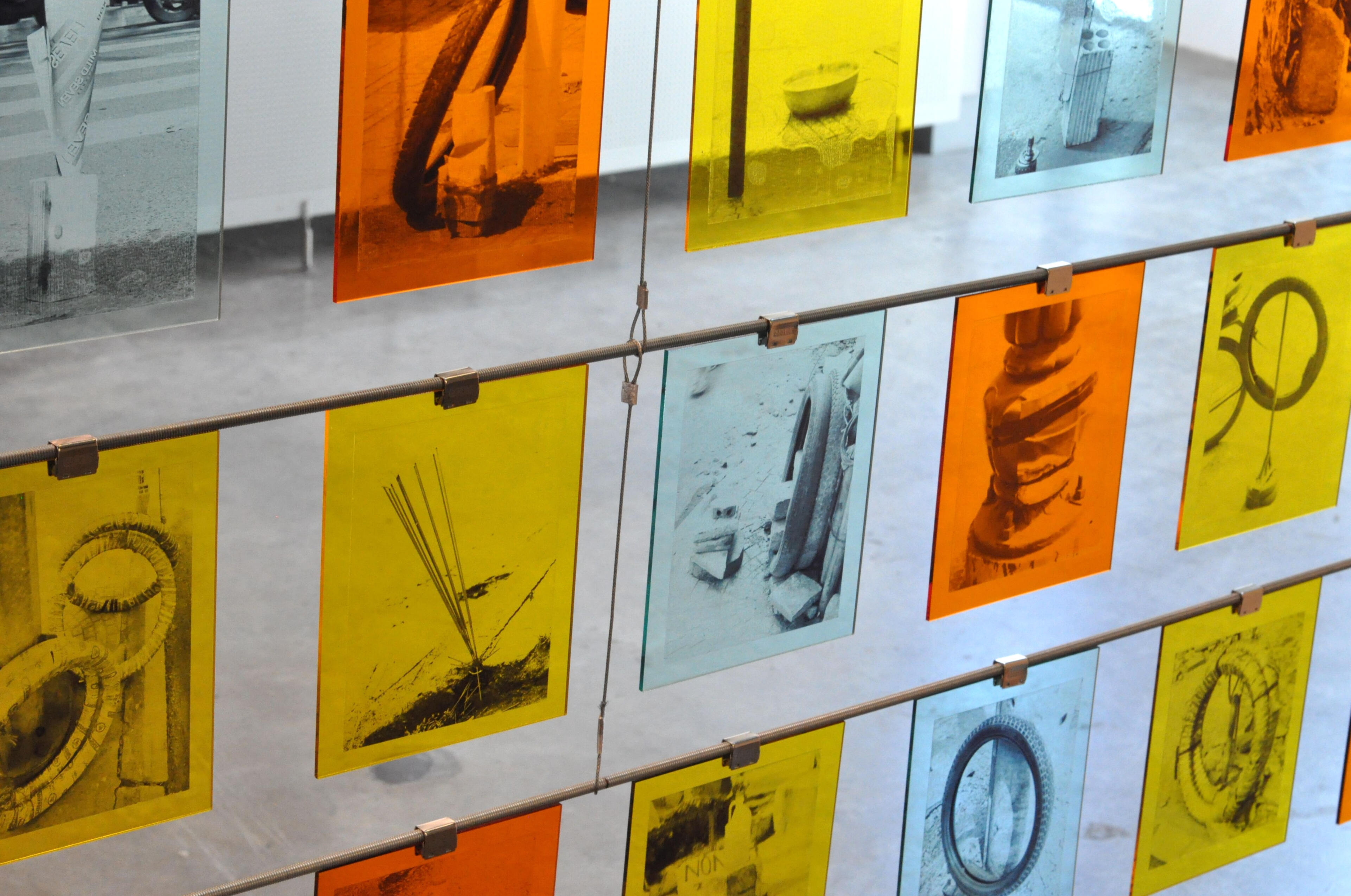
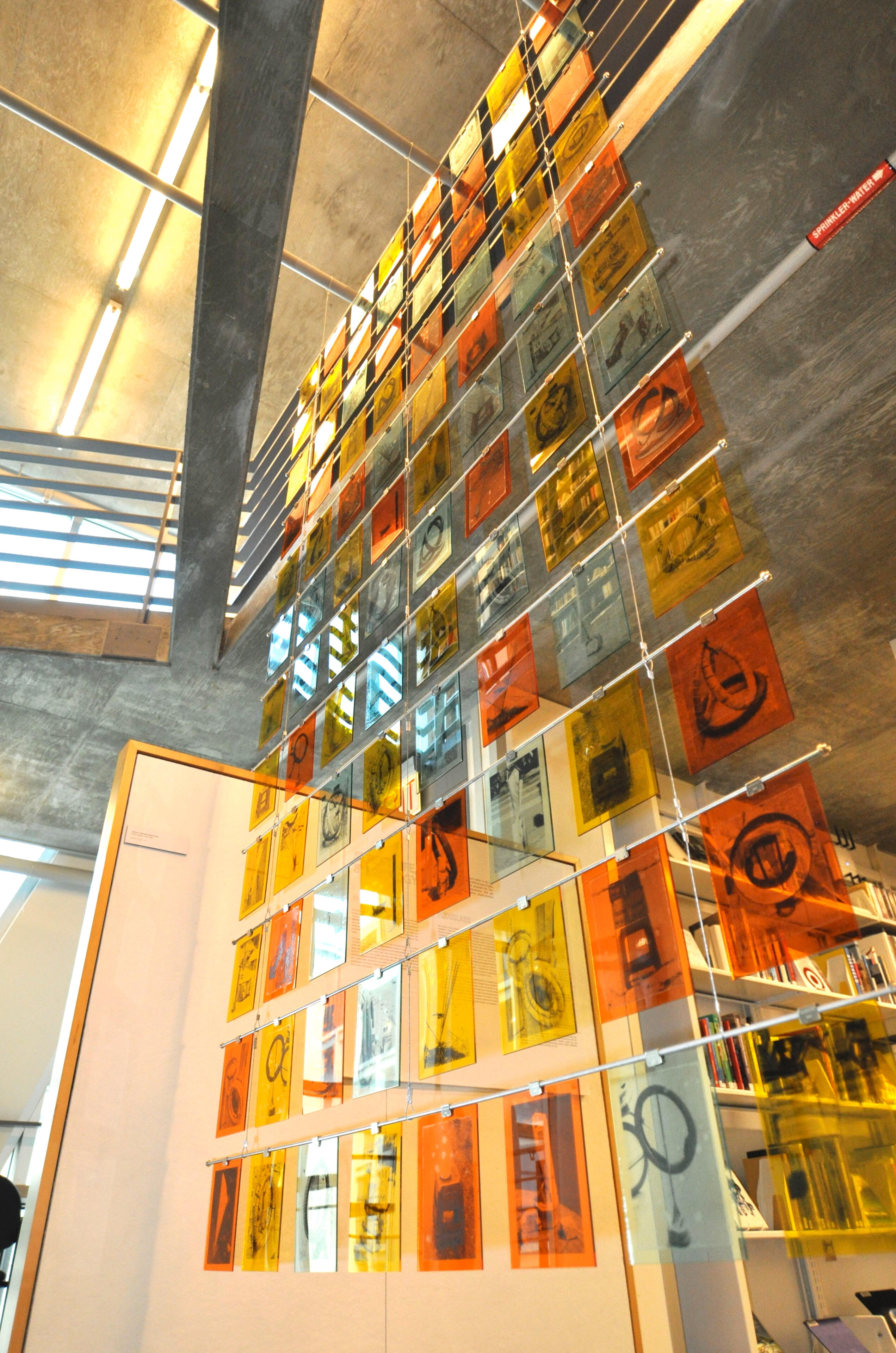
Lexicon
2010
Photography, plexiglass, metal.
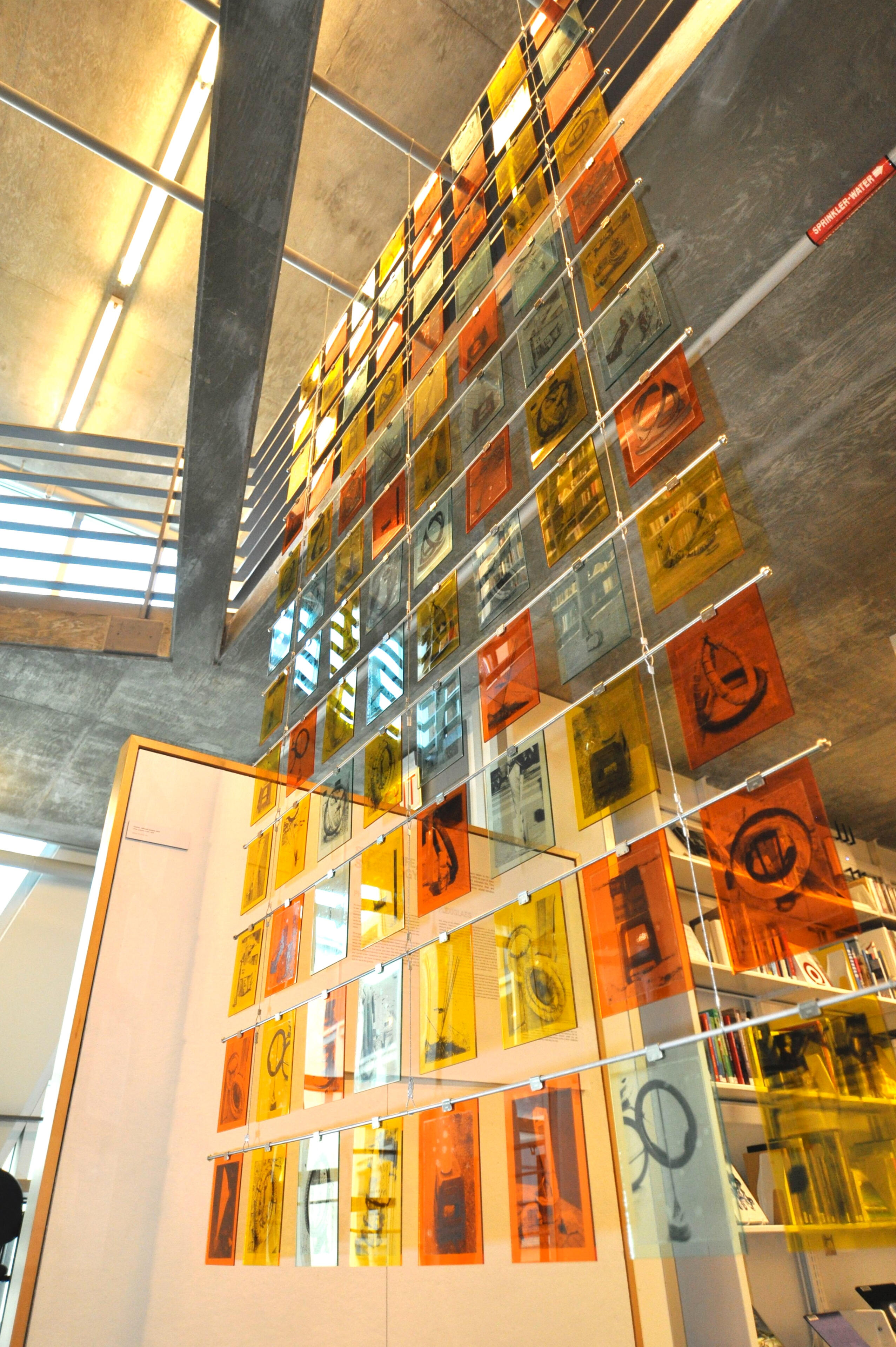
Wedding the Divide:
3 Installations
2002
Digital video, textile, rocks, feathers, sand, ink, paper
Artist Bio
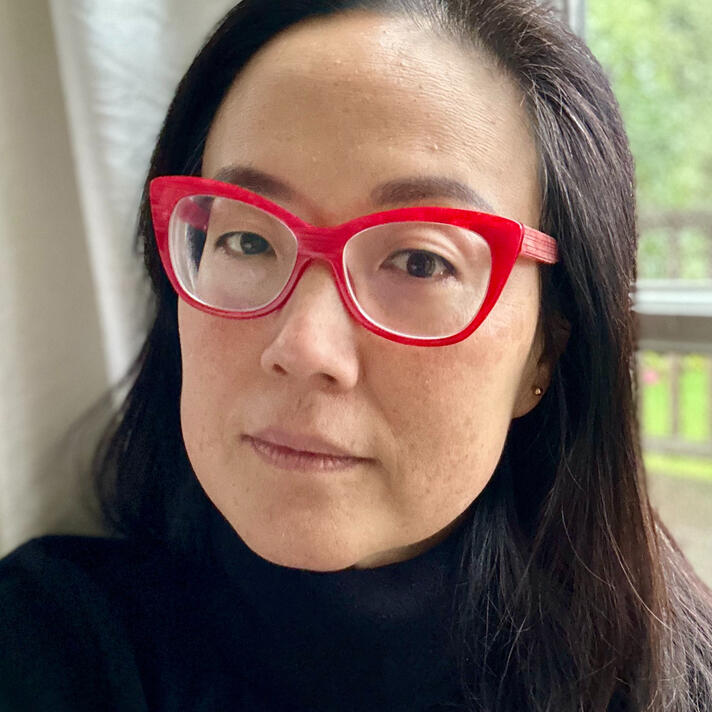
I was born in New York in 1968.I come from a family of refugees, immigrants, missionaries, and citizens in North Korea, South Korea, China, Germany, Ethiopia, and the United States. Over the years, I have moved and set up life in 12 cities across 8 nations. These itinerant lived experiences are foundational to the themes of migration, diaspora, and belonging in my work.I now live and work in Los Angeles, making maps. My cartographies take the form of abstract collage paintings, cinematic videos, interactive media, and installations, traversing the tension between the material and digital world. My civic practice involves long-term collaborations with community-based arts organizations, building cultural asset maps that recover histories and narratives of marginalized peoples and places.I am a co-founder of RAP: the Race, Arts, and Place collective. My work has been shown internationally. I hold faculty appointments at USC’s Price School of Public Policy and Roski School of Art and Design.
Artist Statement
I go on expeditions across the greater Los Angeles region, collecting ethnic newspapers in its many cultural hubs and build datasets about words posted on signage in the city. I’m moved and fascinated by how people express themselves in public space with words. The linguistic landscape shouts freedom, messy democracy, and the human will to speak. Having lived with varying levels of fluency in multiple languages, I meditate on how language makes us human but also about the limits of textual language.Using my found newspapers written in LA’s many languages as a base, I create scroll maps that unfurl and wrap around rooms. These large, tactile maps invite the body to move, linking the cognitive realm to the physical. I layer more words and script – fragments displaying their handmade and socially constructed nature. These cartographies extend the recurring themes in my artwork of grid systems, manual manipulation, cultural identity, and nonverbal gestures.


.

detail

.

detail

.

.

.

detail

.

link to video projected in installation

.

installation views

.

.

.